أفضل فنادق يانغجَو مع جاكوزي
أدخل تواريخ سفرك للتحقق من أحدث الأسعار والتوافر
اسحب للأسفل لعرض المزيد
التصفية حسب:
تصنيف النجوم الخاص بالفندق
≤2345
تقييم النزلاء
رائع 9+ممتاز 8+جيد 7+لطيف 6+تم العثور على 142 فنادق في يانغجَو مع جاكوزي من أجلك
اختر تواريخ سفرك لمشاهدة أحدث الأسعار.
الأكثر رواجًا
أقل سعر
الأقرب إلى وسط المدينة
الأفضل تقييمًا


99+
متميز
15734 تقييمًا
9.5/10
1 ليلة
ابتداء من BRL 326


90
فنادق في يانغجَو
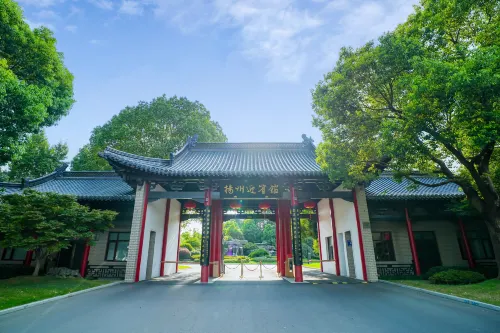
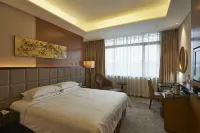
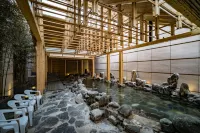
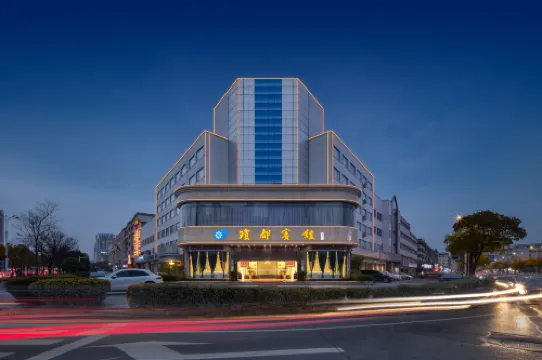
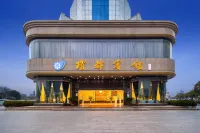
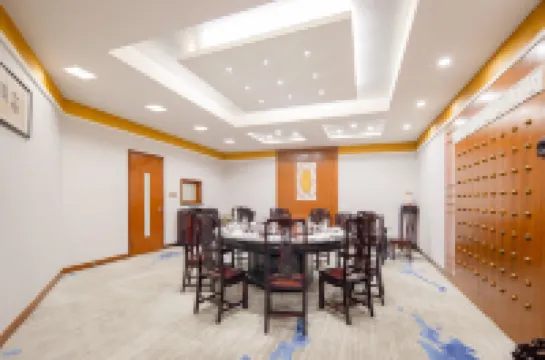
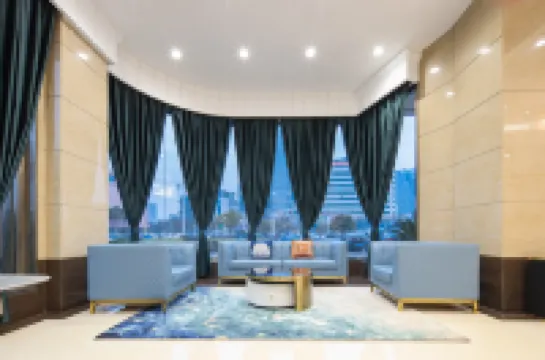
The Qiongdu Hotel is an ideal spot for travelers wanting to discover the city. The Qiongdu Hotel offers a pleasant stay in Yangzhou for those traveling for business or leisure. Traveling to the hotel is easy with Yangzhou Railway Station located approximately 7km away and Yangzhou Taizhou International Airport roughly 43km away. Seeing Yangzhou's sights from this hotel is easy with Laihetai Square, Diehu Park and Yangzhou Opera Garden Theater all close by. In their spare time, guests can explore the hotel's surroundings. Guests of this Yangzhou hotel can make use of the parking facilities. If you demand a high level of service, our guests have indicated that this hotel has excellent standards. Perfect for those working on the move, this hotel caters to a large number of business guests.
جيد جداً
2055 تقييمًا
9.3/10
1 ليلة
ابتداء من BRL 90
99+
فنادق في يانغجَو
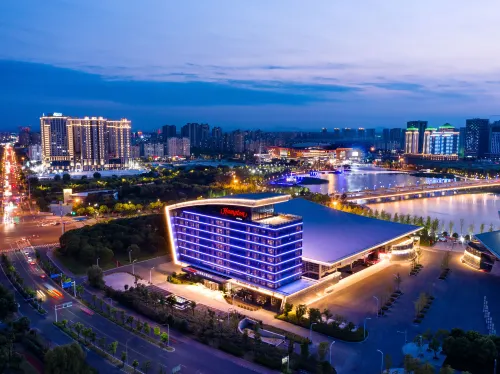
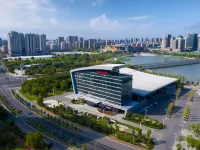
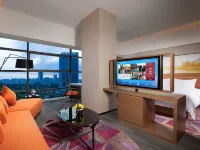
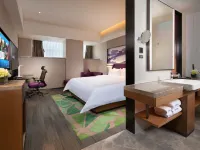
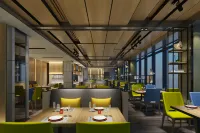
The Hampton by Hilton (Wenchang Road, Yangzhou) is an ideal spot for travelers wanting to discover the city. The Hampton by Hilton (Wenchang Road, Yangzhou) offers a pleasant stay in Yangzhou for those traveling for business or leisure. Traveling to the hotel is easy with Yangzhou Railway Station located approximately 3km away and Yangzhou Taizhou International Airport roughly 44km away. The nearby area boasts an abundance of attractions including Mingyuehu, Yangzhou Canal Grand Theatre and Yangzhou Sports Park - Gymnasium. At the end of a busy day, travelers can unwind and relax in the hotel or go out and enjoy the city. Guests of this Yangzhou hotel can make use of the parking facilities. According to our guests, this hotel provides a very high level of service. This hotel is particularly popular with those traveling with families.
مثالي
5817 تقييمًا
9.8/10
1 ليلة
ابتداء من BRL 246




99+
فنادق في يانغجَو
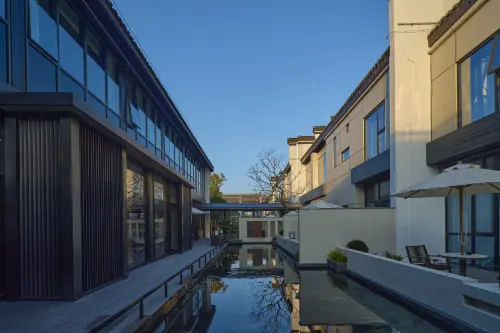
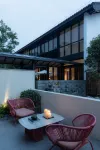
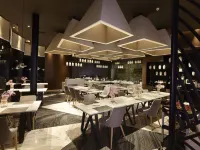
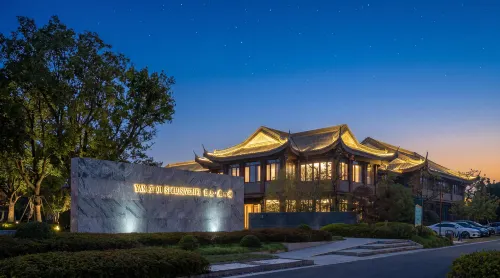
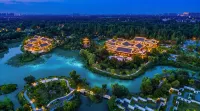
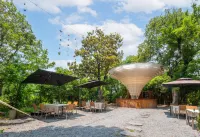
Chinese gardens adhere to the principle of " though made by man , it looks as if created by nature ". The construction of hotel gardens also aims to deeply integrate with the natural environment , fully following the existing elements such as terrain , water bodies ,and plants , adapting to local conditions , and ingeniously applying aesthetic principles such as symmetry , proportion ,and color . It pursues a landscape that is both varied and harmonious , with a sense of
unity in diversity,completeness and harmony , creating a unique hotel garden landscape that is " based on tranquility and enlivened by movement ".The water and stones blend together , stretching and
contracting in a harmonious
way , reminiscent of the scene described in the verse :" At noon ,a painted boat passes under the bridge , and the fragrance of clothes and the figures of people are fleeting ."
The world is bustling , with early morning thoroughfares filled with rushing vehicles and late night ferry crossings accompanied by the silent flow of water . Each journey ,
each stop , leads to a feast
of ten miles of spring breeze
and a thousand years of cultural heritage ; each city ,
each inn , offers a place to
rest and recharge , seeking
the direction of the journey
in the ever - flowing stories ,
and enjoying one ' s own art
and distant horizons . Green
willows line the city walls , and red flowers bloom deep in the garden ; leaning on the railing by the water , the scene is as soothing as a gentle breeze .One can quietly wait for the moon in the pavilion or count the fish by the railing , and the leisurely and comfortable slow life is found not only in the forest , springs , and wild paths ,but also in the serene and carefree atmosphere hidden in the heart of the bustling city .
Where will you moor tonight ?At the long or short pavilion where you meet me . Living in the city yet remaining detached ,mooring at the inn tonight .…
ممتاز
2519 تقييمًا
9.7/10
1 ليلة
ابتداء من BRL 312



99+
ممتاز
10303 تقييمًا
9.7/10
1 ليلة
ابتداء من BRL 235
65
فنادق في يانغجَو
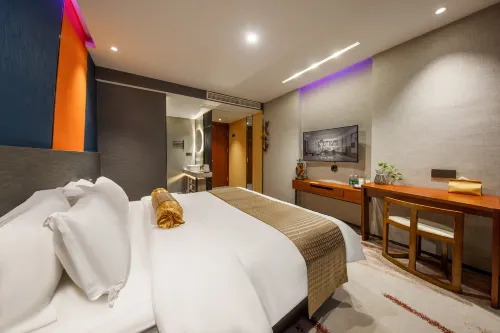
The Elong Me Anlai Hotel (Yangzhou Dongguan Street) provides a great place for travelers to relax after a busy day. The Elong Me Anlai Hotel (Yangzhou Dongguan Street) offers a pleasant stay in Yangzhou for those traveling for business or leisure. The hotel is conveniently located just 9km from Yangzhoudong Railway Station and 38km from Yangzhou Taizhou International Airport. There is no shortage of things to see in the area, with the Puhading Garden, Dongguan Street and China Museum of Huaiyang Cuisine all nearby. This hotel makes a great place to kick back and relax after a long day of sightseeing. Guests of this Yangzhou hotel can make use of the parking facilities. This hotel is the usual choice for a large number of business travelers.
377 تقييمًا
8.6/10
1 ليلة
ابتداء من BRL 136
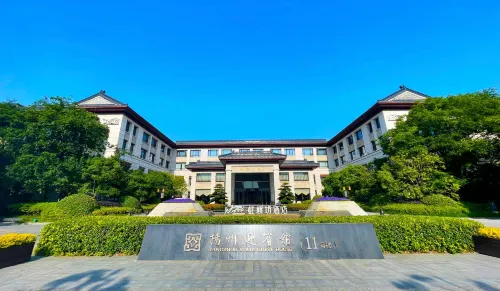


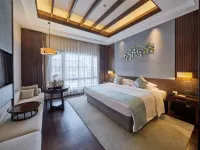


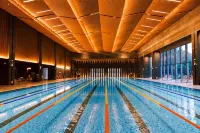
99+
ممتاز
2909 تقييمًا
9.6/10
1 ليلة
ابتداء من BRL 418
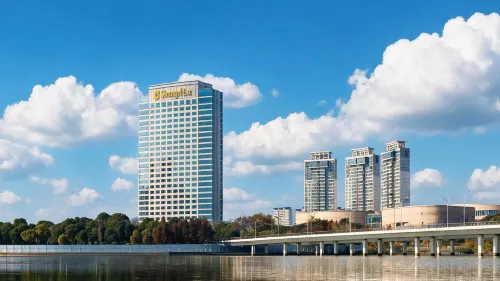
99+
متميز
5324 تقييمًا
9.5/10
1 ليلة
ابتداء من BRL 396

99+
فنادق في يانغجَو
The Yangzhou Xujialan Tingxiyue Hotel (Pishi Street Heyuan Branch) is an ideal spot for travelers wanting to discover the city. Visitors to Yangzhou will find that the Yangzhou Xujialan Tingxiyue Hotel (Pishi Street Heyuan Branch) is a fantastic accommodation choice. The hotel is conveniently located just 10km from Yangzhou Railway Station and 39km from Yangzhou Taizhou International Airport. This hotel is located near many of Yangzhou's attractions including China Museum of Huaiyang Cuisine, Pishi Street and Xiaoqinhuai River. When guests have some time on their hands they can make use of the onsite facilities. This Yangzhou hotel features parking on site. Our guests consider this hotel to have excellent service. For guests traveling with families, this hotel is consistently one of the most popular choices.
281 تقييمًا
8.8/10
1 ليلة
ابتداء من BRL 99
99+
جيد جداً
2389 تقييمًا
9.3/10
1 ليلة
ابتداء من BRL 379
الأسئلة الشائعة
ما هو متوسط سعر الفندق في يانغجَو لهذا الأسبوع؟
وفقا لأحدث بيانات الـ 12 شهرا من Trip.com، يبلغ متوسط سعر فندق 3 نجوم في يانغجَو لهذا الأسبوع BRL 357 لليلة الواحدة. أما بالنسبة للفنادق ذات 4 نجوم، فيبلغ متوسط السعر BRL 457 لليلة الواحدة. وإذا كنت تبحث عن تجربة فاخرة، فتبلغ تكلفة الفنادق ذات 5 نجوم في يانغجَو هذا الأسبوع عادة BRL 807 لليلة الواحدة.
كم تكلف الفنادق في يانغجَو لليلة الواحدة خلال أيام الأسبوع؟
استنادا إلى أحدث بيانات الـ 12 شهرا من Trip.com، يبلغ متوسط سعر فندق 3 نجوم في يانغجَو خلال أيام الأسبوع BRL 321 لليلة الواحدة. أما بالنسبة للفنادق ذات 4 نجوم، فتتوقع دفع حوالي BRL 429 لليلة الواحدة. وإذا كنت تبحث عن إقامة فاخرة، فإن تكلفة الفنادق ذات 5 نجوم في يانغجَو عادة تكون BRL 747 لليلة الواحدة خلال أيام الأسبوع.
ما هي أفضل أماكن الإقامة في يانغجَو؟
بعض من أفضل أماكن الإقامة في يانغجَو تقع بالقرب من المعالم الشهيرة مثل Slender West Lake، Dongguan Street و Geyuan Garden، مما يتيح وصولا سهلا إلى أهم المعالم والخدمات.
ما هي أفضل الفنادق في يانغجَو بالقرب من Slender West Lake؟
بعض من أفضل الفنادق في يانغجَو بالقرب من Slender West Lake تشمل Hampton by Hilton Yangzhou Slender West Lake (ابتداءً من BRL 182)، Yangzhou Slender West Lake Vientiane Hui Atour X Hotel (ابتداءً من BRL 243) و Novotel Yangzhou City Centre (ابتداءً من BRL 263)، وكلها توفر وصولا سهلا إلى Slender West Lake، مما يجعلها مثالية للزوار الذين يرغبون في استكشاف المنطقة.
ما الفنادق في يانغجَو التي توفر خدمات سبا مميزة، وما الذي يجب مراعاته عند اختيار فندق للاستمتاع بتجربة سبا؟
تساعدك مرافق السبا عالية الجودة على الاسترخاء والاستمتاع بإقامة أكثر راحة، خاصة بعد يوم طويل من السفر أو استكشاف الوجهة. Founder International Hotel (ابتداءً من BRL 139), IntercityHotel Yangzhou Slender West Lake (ابتداءً من BRL 204) و سليندر ويست ليك هوت سبرينج ريزورت (ابتداءً من BRL 309) توفر خدمات سبا ذات تقييمات مرتفعة.
ما الفنادق في يانغجَو التي توفر حمامات سباحة، وما الذي يجب مراعاته عند اختيار فندق للاستمتاع بالمسبح؟
إذا كنت ترغب في الاسترخاء والاستمتاع بالسباحة أثناء إقامتك، فإن اختيار فندق يضم مسبحًا مناسبًا يمكن أن يجعل رحلتك أكثر راحة ومتعة. Yangzhou State Guesthouse (ابتداءً من BRL 393), Founder International Hotel (ابتداءً من BRL 139) و Moon Lake Hotel (ابتداءً من BRL 208) هي فنادق تضم حمامات سباحة.
ما هي الفنادق في يانغجَو التي تقدم إفطارا مميزا؟
ميركيور يانغتشو دونغ قوان ستريت (ابتداءً من BRL 225),Yangzhou State Guesthouse (ابتداءً من BRL 393) و Founder International Hotel (ابتداءً من BRL 139) تقدم وجبة إفطار عالية الجودة. ابدأ يومك بوجبة إفطار لذيذة.
البحث عن المزيد من الإقامات
استكشف أنواع إقامة أخرى
الفنادق الأكثر مشاهدة
Shuizhuju Small Qinhuai Hotel (Yangzhou Geyuan Dongguan Street)GreenTree Eastern Hotel (Yangzhou Jinganghui Life Plaza Jiangsu Tourism College)Changle InnTumeile Boutique HotelNewYork Junlan Selected ApartmentFloral Hotel·Gwangneung County HotelHidden Momo · Half Foot Garden HotelIntercityHotel Yangzhou Slender West LakeJO&JOE Yangzhou HanjiangYangzhou Dongguan Street Skinny West Lake Road Light Residence HotelElong Me Anlai Hotel (Yangzhou Dongguan Street)Junye International Hotel, Yangzhou High-speed Rail East StationPunk Ballet Hotel (Yangzhou University Lotus Pond Branch)فاتيكا يانغتشو دونغوان ستريت هوتلYiai Hotel (Yangzhou Hanjiang Wanda Plaza)Qiongdu HotelWutinglong G Hotel (Slender West Lake)Meihao Yizhi Hotel (Yangzhou East Station Linghui Plaza Branch)Yangzhou Guangling Grand View Garden HotelYangzhou Xihu Spring Hotel (Slender West Lake)